
When Nature Puts on Its Most Magical Show
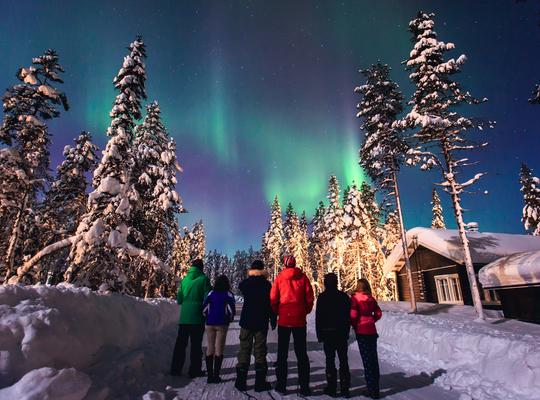
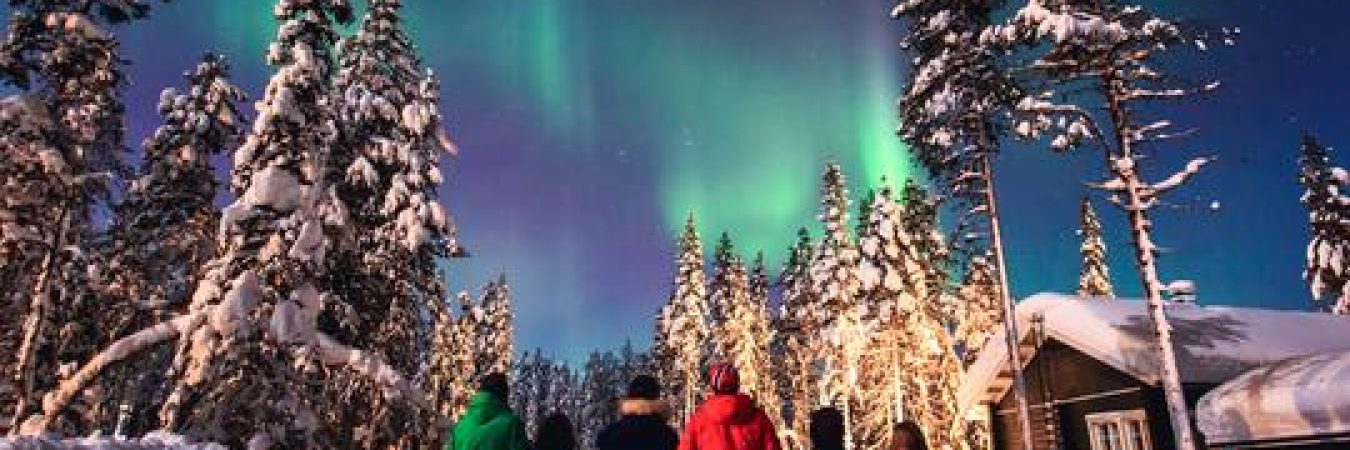
Have you ever looked up at the night sky and wondered if there’s more to it than stars and satellites? There is. And if you head far enough north—to Murmansk, Russia, to be specific—you’ll discover it for yourself: the Northern Lights, or as scientists call them, the Aurora Borealis.
This isn’t just a travel experience—it’s a soul-stirring moment that reminds you how wildly beautiful our world really is.
While people flock to Iceland or Norway for the lights, there’s a hidden gem in Russia that offers the same celestial spectacle with fewer crowds, rich culture, and a taste of real Arctic life. Welcome to Murmansk—your off-the-beaten-path gateway to one of nature’s most incredible performances.
🌌 What Are the Northern Lights in Russia Murmansk, Really?
Before we dive into the details, let’s talk about what makes the Northern Lights so special.
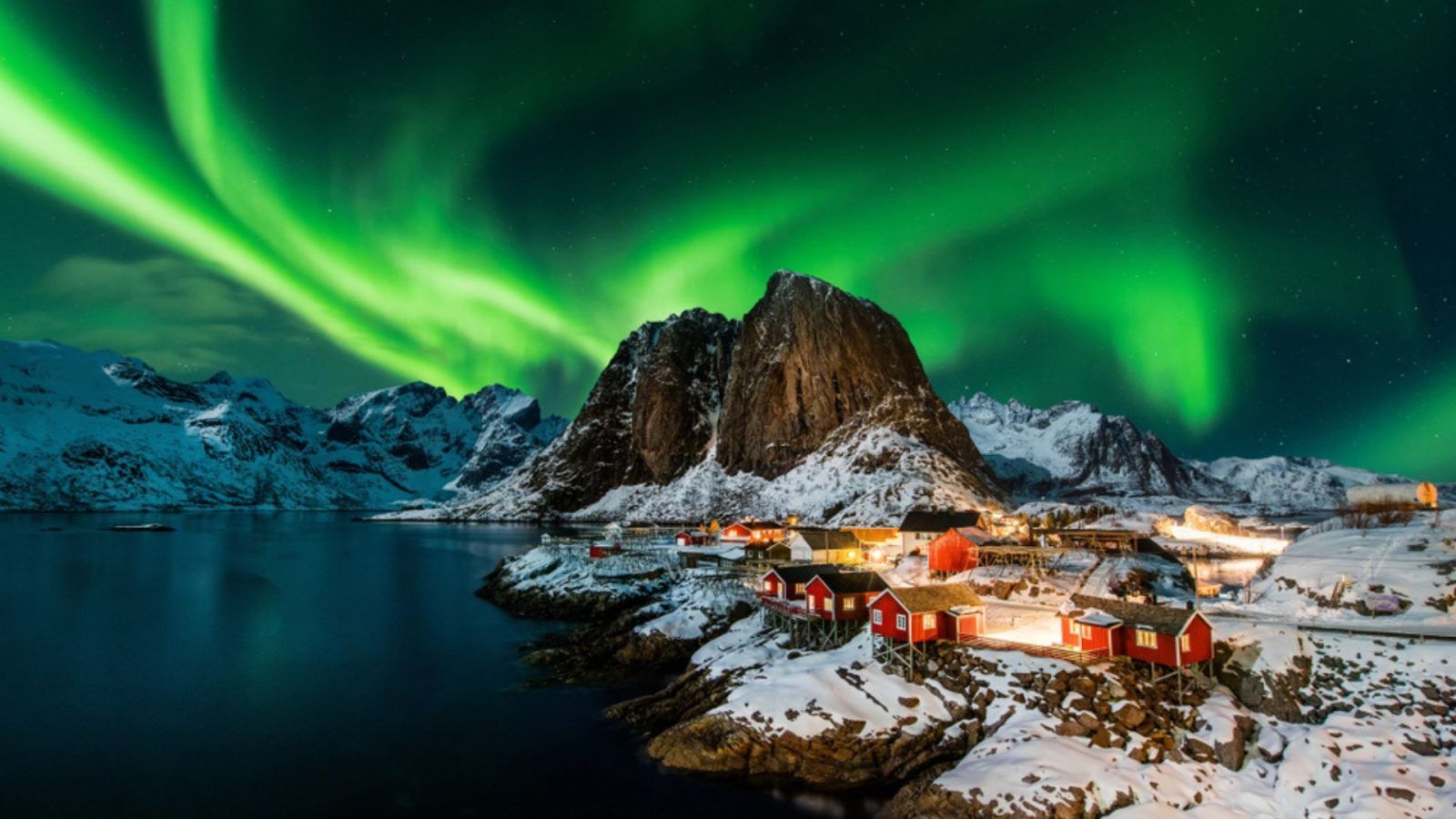
When electrically charged particles from the sun collide with gases in Earth’s atmosphere, they create glowing waves of color across the sky—usually green, but sometimes pink, violet, red, or blue. It’s like watching nature paint with neon across a canvas of stars.
These lights are most visible near the magnetic poles, which is why the best places to see the Northern Lights are in Arctic regions.
📍 Why Murmansk Is the Perfect Spot
Murmansk is the largest city north of the Arctic Circle, located in northwestern Russia near the Barents Sea. And here’s what makes it incredible for aurora-chasing:
- It sits in the Auroral Oval, the zone with the highest aurora activity.
- Long, dark winters make for ideal viewing conditions.
- It’s less commercialized than Nordic destinations, giving you a more authentic and peaceful experience.
- Easy to combine aurora-watching with Arctic adventures, indigenous Sámi culture, and Russian hospitality.
And guess what? It’s also surprisingly accessible, with regular flights from Moscow and St. Petersburg.
📅 Best Time to See the Northern Lights in Murmansk
Let’s get to the part everyone wants to know: when should you go?
🗓 Prime Viewing Season:
Late September to early April
But the best months are generally December to March, when the nights are longest and the weather is cold, crisp, and often clear.
These months also overlap with the Polar Night, a period when the sun doesn’t rise above the horizon for weeks. While that might sound intense, it means more hours of darkness = more chances to see the lights.
👉 Pro tip: Avoid times around the full moon if you want to see the aurora in its full glory—darker skies = brighter lights.
🚗 Where to See the Northern Lights in and Around Murmansk
Though Murmansk is a city, you don’t have to travel far to find dark skies and spectacular auroras.
🌲 Top Viewing Spots:
- Teriberka
- A remote fishing village on the Barents Sea.
- Offers dramatic coastal landscapes and wide open skies.
- Famous for being featured in the Russian film Leviathan.
- Lovozero Tundra
- Located deeper inland.
- Offers silence, snow, and 360-degree views of the sky.
- A favorite for Sámi cultural excursions.
- Kirovsk & Khibiny Mountains
- Around 3–4 hours from Murmansk.
- Combine aurora viewing with skiing or snowboarding.
- Just outside Murmansk city
- Even a 20-minute drive can reduce light pollution enough to see the lights.
- Many tours offer nightly aurora chases based on weather and activity.
📸 Capturing the Magic: Northern Lights Photography Tips
You’ll want to bring home more than memories. But photographing the Northern Lights takes some know-how.
📷 What You’ll Need:
- DSLR or Mirrorless Camera with manual mode
- Wide-angle lens, ideally with f/2.8 aperture
- Tripod (a must!)
- Extra batteries – they die fast in the cold
- Remote shutter or use the timer to avoid camera shake
📸 Basic Settings:
- ISO: 800–3200
- Shutter speed: 5–20 seconds
- Aperture: As low as your lens allows (f/2.8 or lower)
- Focus: Manual, set to infinity
- Format: Shoot in RAW for best editing options later
👉 But don’t get lost behind the camera. Take a few moments to stand still, look up, and feel it.
🧭 What Else to Do in Murmansk
While you’re in the Arctic, why not make it a full winter adventure?
❄️ Arctic Activities:
- 🛷 Reindeer or husky sledding
- 🧖♂️ Russian banya (sauna) experience followed by a snow roll
- 🚢 Visit the Lenin Icebreaker, the world’s first nuclear-powered ship
- 🧊 Explore Sámi indigenous culture and even dress in traditional clothing
- 🛷 Snowmobile tours across the frozen tundra
You can even stay in a Sámi village overnight, where the only lights you’ll see are from the fire—and hopefully the sky.
🧳 What to Pack for Your Trip
Murmansk gets really cold in winter. But with the right gear, it’s more cozy than cruel.
✔️ Packing Essentials:
- Thermal base layers (top & bottom)
- Down or insulated jacket
- Windproof and waterproof outer layer
- Warm hat, gloves, and scarf
- Wool socks and insulated boots
- Hand warmers and lip balm
- Power bank for electronics
- Aurora tracking app (like My Aurora Forecast)

💰 Budget Tips
Russia is more budget-friendly than other aurora destinations. Here’s how to save:
- Book flights early—look for off-peak days.
- Stay in Murmansk and take nightly tours instead of staying in remote villages.
- Join group tours rather than private ones.
- Eat local—Russian cuisine is delicious and affordable.
💡 Final Thoughts: Why Murmansk Is More Than Just a Destination
Seeing the Northern Lights in Murmansk is not just about checking something off a list. It’s about rediscovering wonder.
It’s standing in the stillness of Arctic night, breath fogging, eyes wide as green and purple ribbons ripple above. It’s the warmth of tea in a Sámi tent, the thrill of riding through snow-covered forests, and the stories you’ll tell for the rest of your life.
So if you’re dreaming of the aurora, take the road less traveled.
Choose Murmansk. Choose magic.